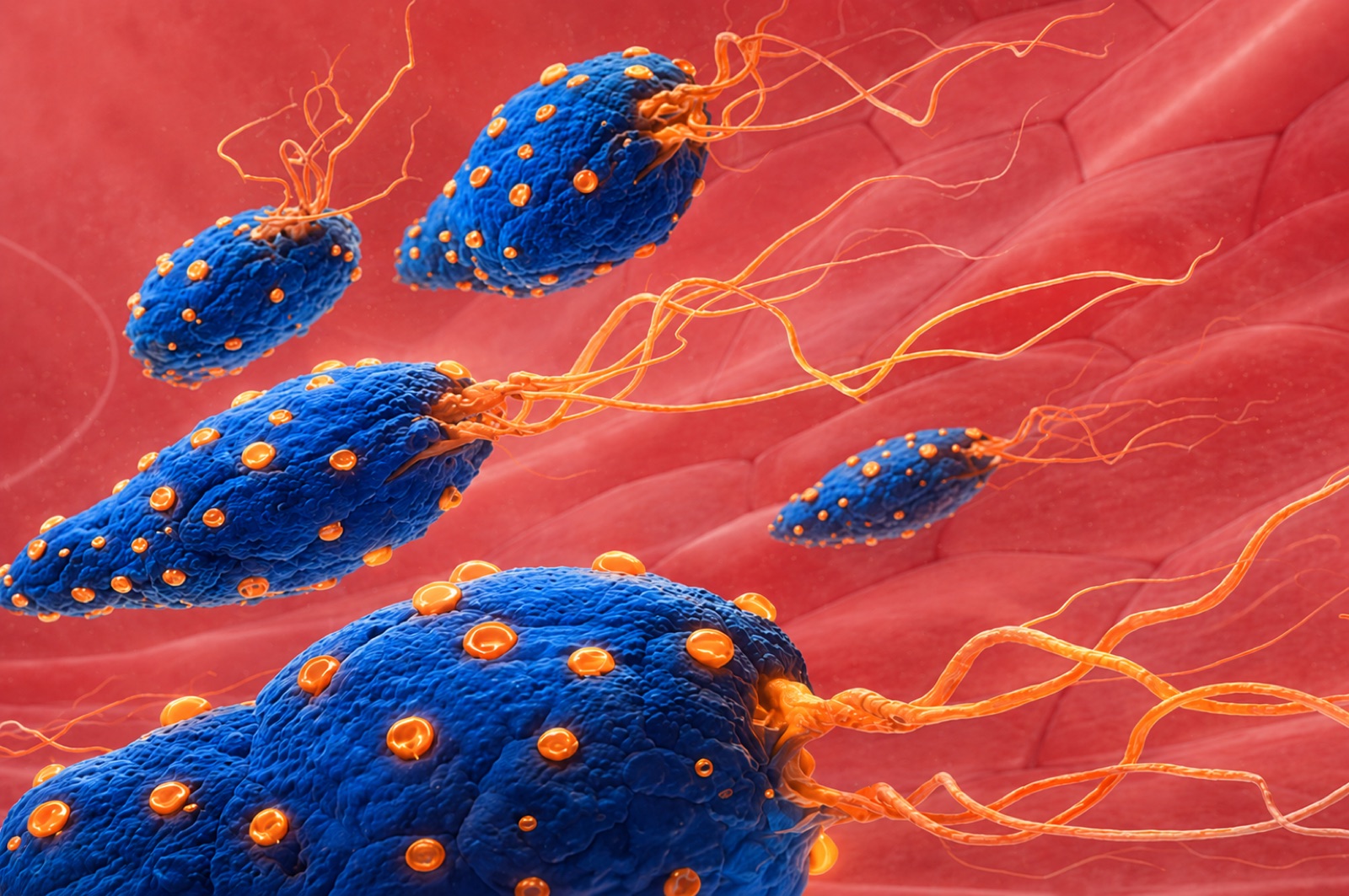
Poor perfusion
Tumor blood vessels are irregular; drug diffusion is limited to the periphery of blood vessels and cannot reach the core freely.

It changes where the cancer drug goes — not what kills the cancer cell.
Active payload distribution Hypoxic-region localization Local immune activation
Investigational technology. Preclinical results support progression toward human clinical trials.
A first-of-its-kind intratumoral biological therapy for solid tumors — using self-propelled, magnetically guided bacteria to drive a cancer drug already used in approved cancer treatments deep into hard-to-reach tumor regions, while triggering a local immune response.
In recurrent, unresectable, or previously treated tumors, the problem is not the drug's potency — it is getting the drug deep enough to reach the whole tumor, including the low-oxygen core where resistant cancer cells survive. Solid tumors are built like fortresses.
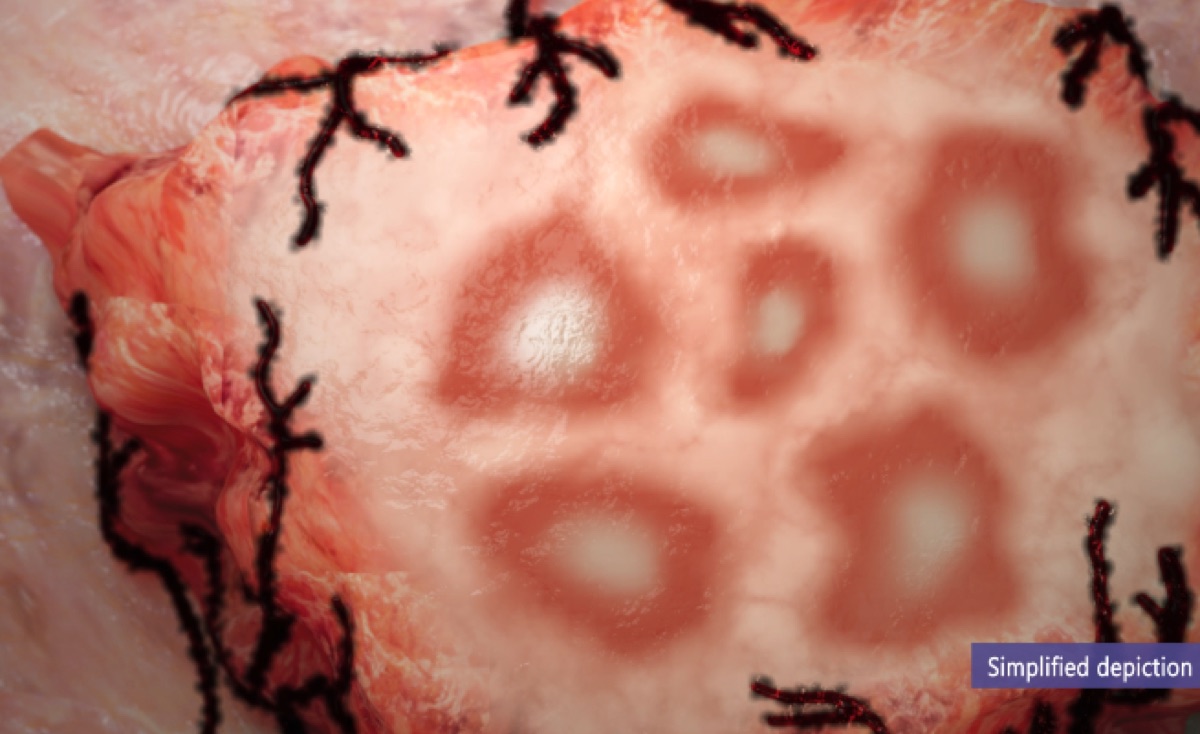
Tumor blood vessels are irregular; drug diffusion is limited to the periphery of blood vessels and cannot reach the core freely.
Low-oxygen zones harbor the cells most resistant to conventional therapy — the very cells current treatments fail to reach.
Surgery and radiation can cause lasting damage to healthy tissue and function, and often can't be repeated — leaving patients with few remaining options.
Today, even a drug injected straight into the tumor spreads poorly through dense tissue, leaving the low-oxygen core untreated. CuraDrone's self-propelled Bacterial Drones actively distribute the drug into those hard-to-reach regions.
Drug stays near blood vessels, leaving the core of the tumor untreated.
Bacterial Drones actively distribute the drug throughout the tumor volume, including its low-oxygen core.
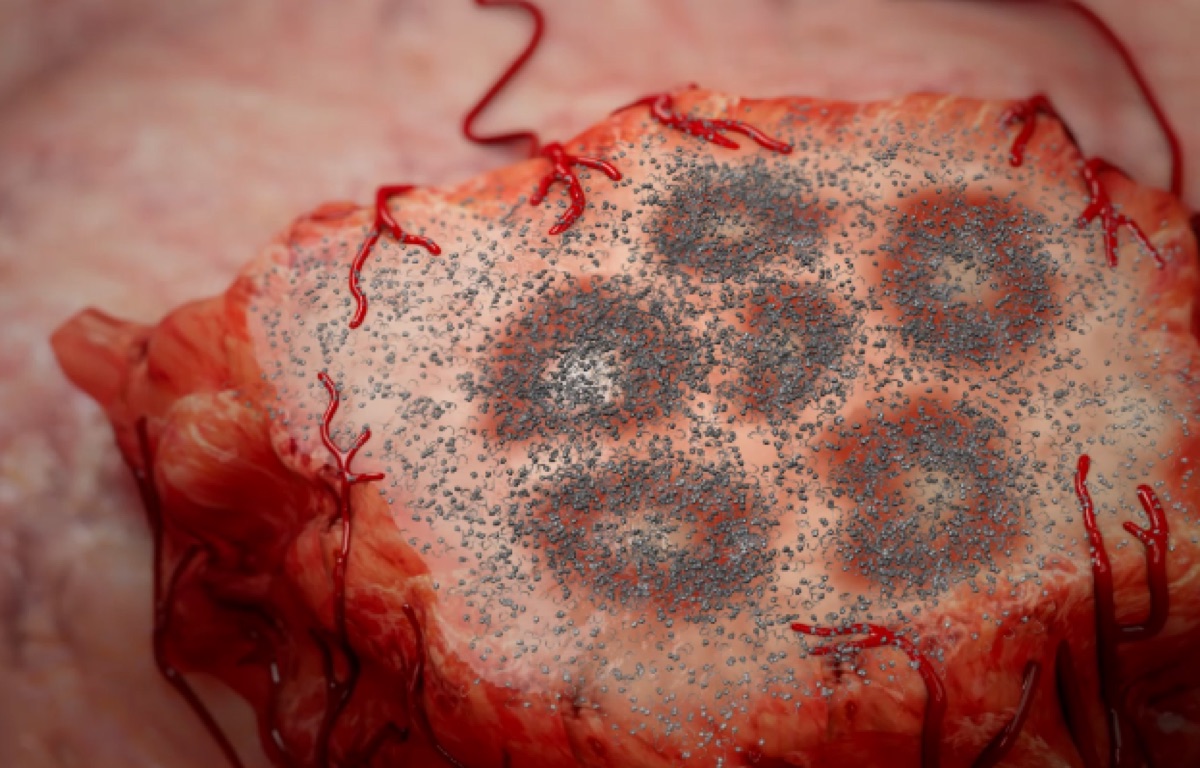
A single intratumoral injection followed by 30 minutes of magnetic guidance delivers three complementary effects.
Three-dimensional, non-ionizing magnetic fields steer Bacterial Drones across the tumor volume for approximately 30 minutes after injection.
The drones home in on the low-oxygen, poorly perfused core — the same regions where cancer cells resist conventional treatment.
The Bacterial Drones themselves trigger a local immune response inside the tumor, complementing the cancer drug — a double local effect.
A Bacterial-Drug Conjugate (BDC) — self-propelled living bacteria carrying a cancer drug already used in approved treatments — is injected directly into the tumor.
The patient enters PolarTrak. Non-ionizing 3D magnetic fields — far below MRI field levels, with no shielding room required — steer the drones throughout the tumor for ~30 minutes.
The drones actively distribute through the low-oxygen core that passive diffusion never reaches.
The cancer drug is released locally throughout the tumor volume, while the Bacterial Drones trigger a local immune response — a double local effect.
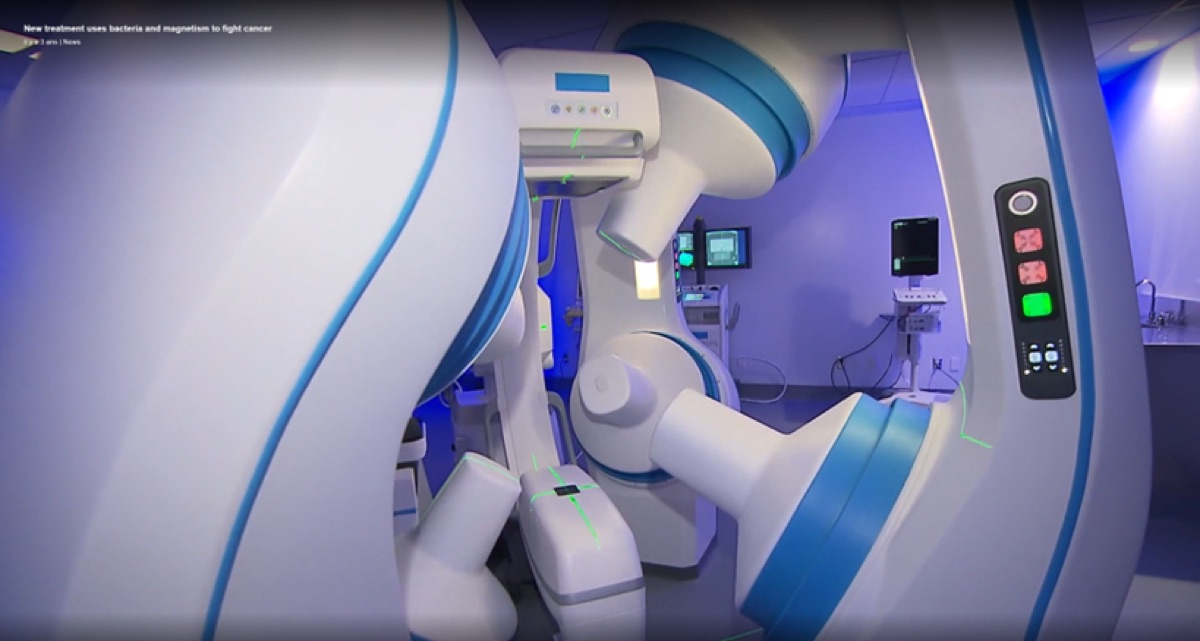
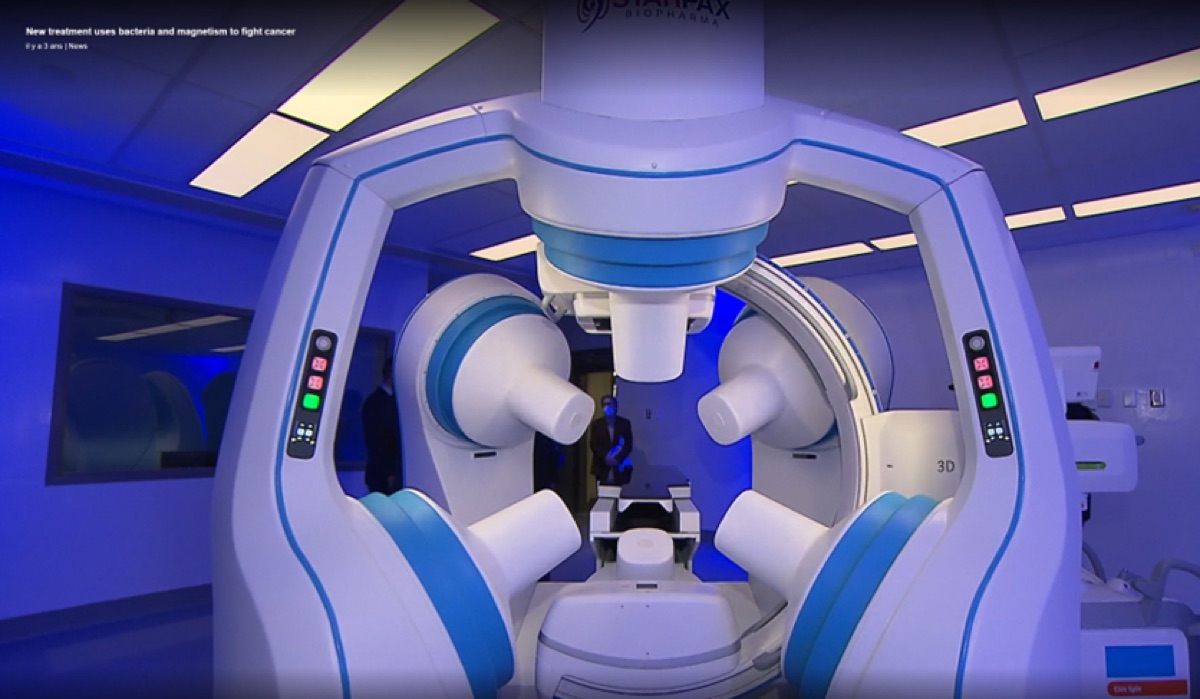
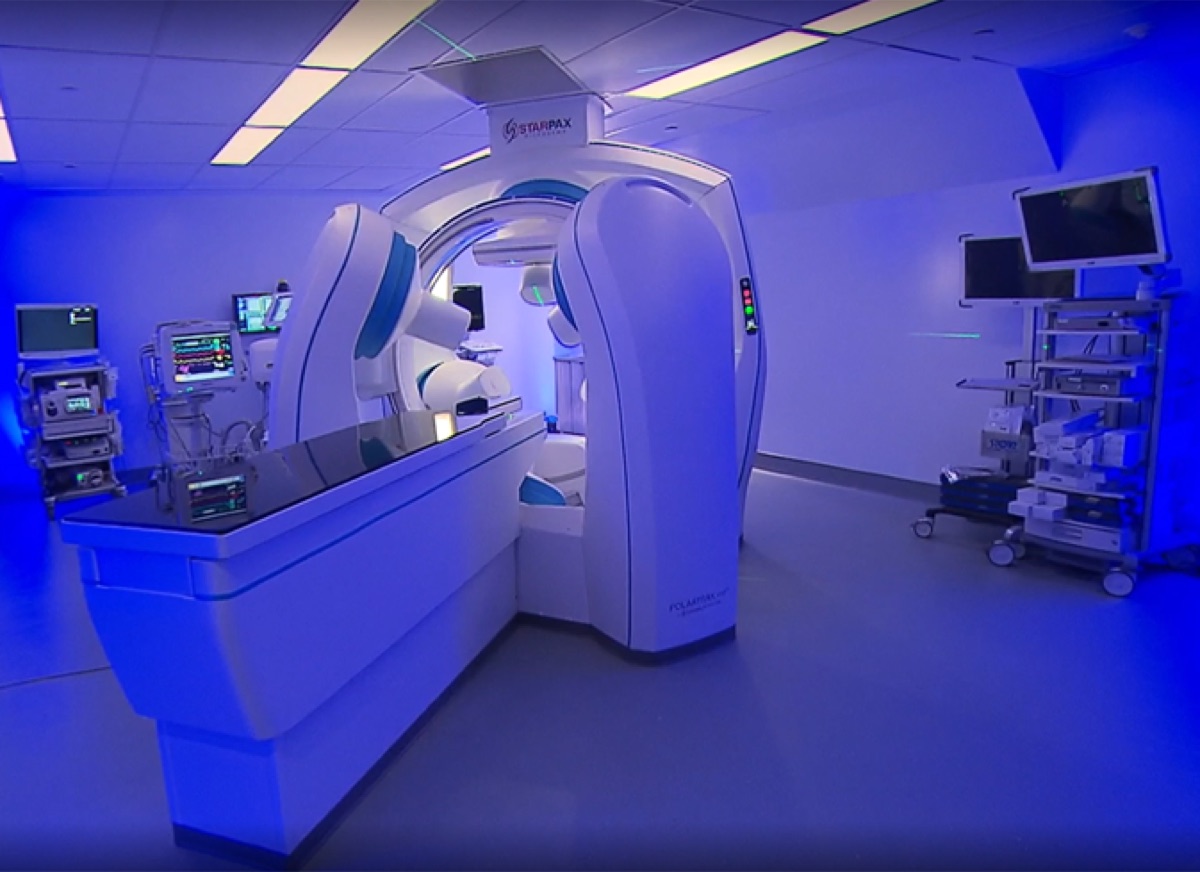
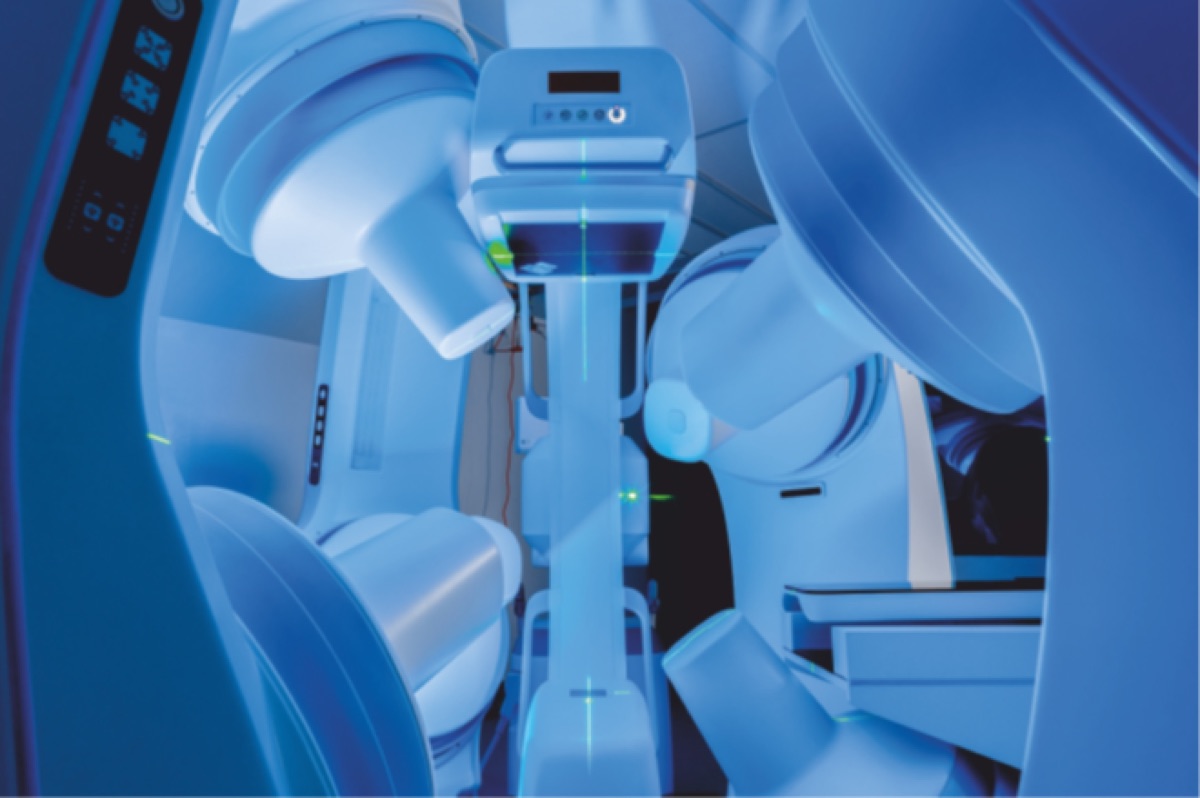
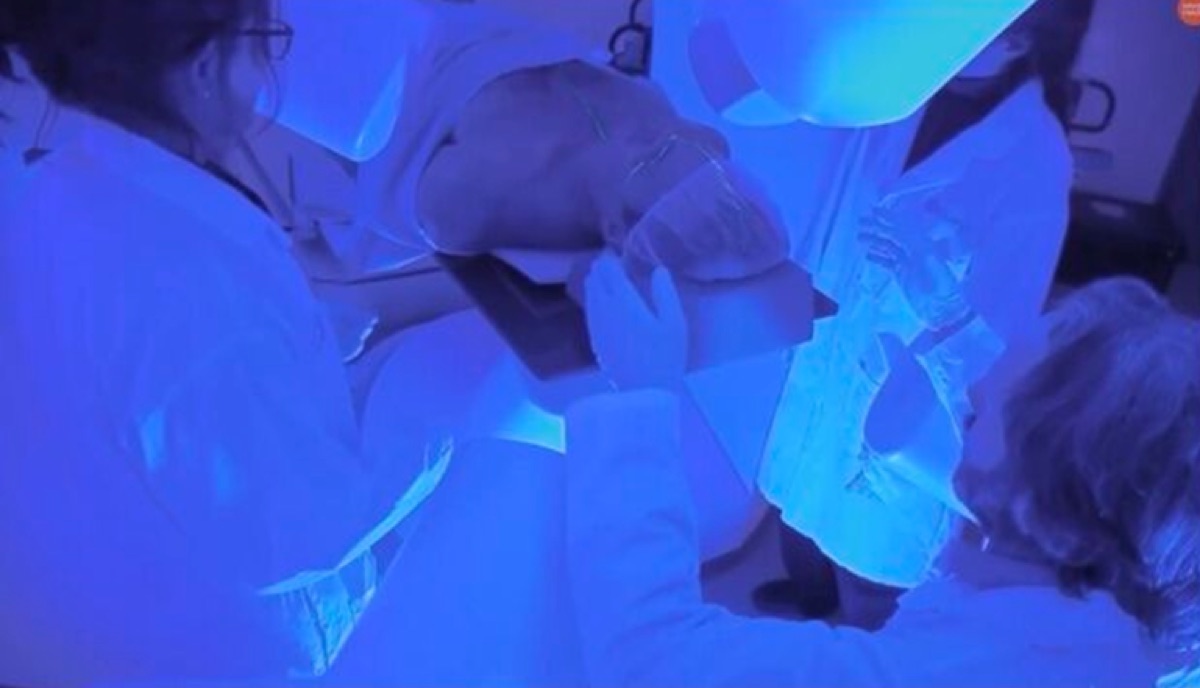
The treatment is designed to integrate naturally within routine clinical workflows — without major surgery or extended hospitalization.
Patient positioning and imaging to target the tumor.
Intratumoral injection followed by magnetic guidance.
Standard outpatient monitoring before discharge.
Response assessment via imaging at scheduled intervals.
Initial entry on refractory locoregional tumors in anatomically accessible zones — selected by access and unmet need, not by tumor type.
Active biological distribution inside tumor tissue — including the low-oxygen core unreachable by passive intratumoral injection or body-wide treatment.
A maturing combination drug-and-device path, a proven cancer drug, and growing interest in localized, high-impact treatment bring active intratumoral delivery within reach.
Assets — vector, device, manufacturing, IP — staged for first human validation.
Initial entry on refractory locoregional tumors in anatomically accessible zones — high unmet need, fast read-out.
We share detailed mechanism, preclinical, and program information under NDA.
contact@curadrone.com